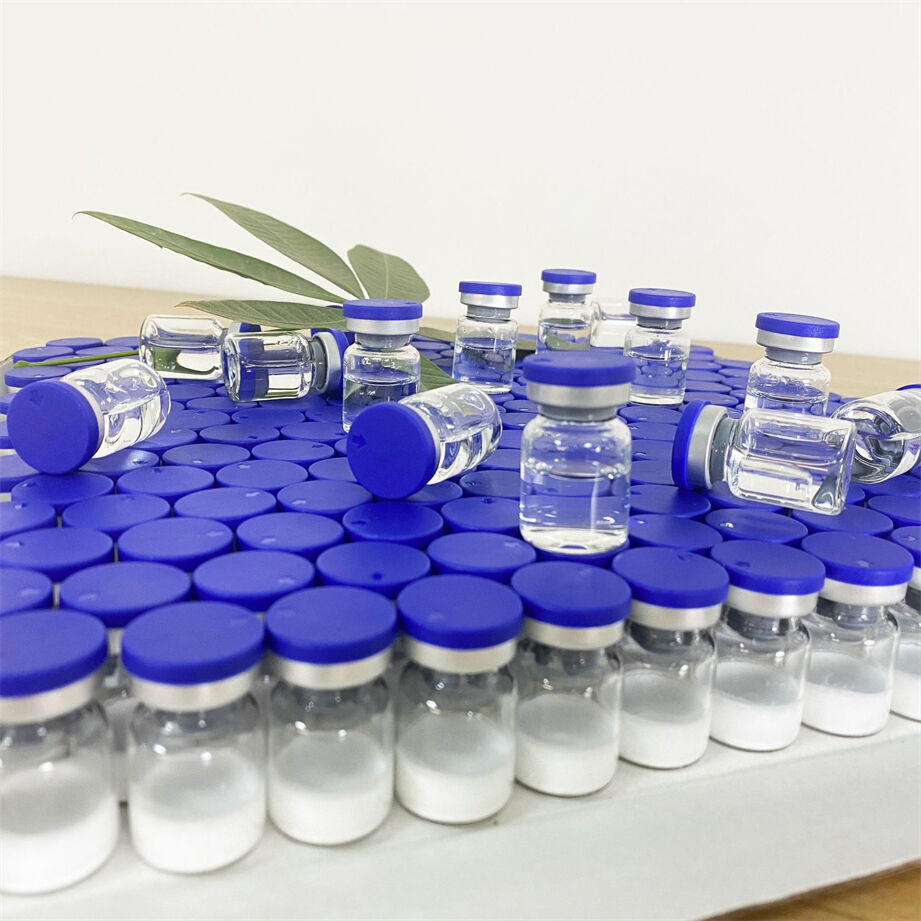
Peptide Vial Research Study: The Total Overview To Handling, Saving, And Making Use Of Research Study Peptides
4 min read
Peptide Stability: Guidelines And Sops For Handling And Storage Microbial contamination generates particular off-odors as microorganisms metabolize the remedy components. Additional heights indicate impurities, which might include synthesis by-products, abbreviated sequences, or degradation items. Pureness is computed as the percentage of Tissue Research overall peak location coming from the major peptide top. This technique needs much more containers and slightly more prep work time. But it secures your peptide from the deterioration that builds up with every freeze-thaw event.
What counteracts peptides?
Salicylic acid''s scrubing activity may undercut the peptides, lessening their skin-repairing advantages. Referral: To avoid any type of communication, usage salicylic acid and peptide products at different times. For example, incorporate salicylic acid in Learn more your morning regimen and peptides in your evening regimen.
Prefilling Syringes
Lyophilization ideally "secure" the peptide's structure by developing a glassy solid, however any residual wetness or excipients can influence stability. The glass change temperature (T_g) of the dried out cake needs to remain well over storage space temperature level; otherwise, the strong matrix can break down. Lyophilized peptides are normally more steady than reconstituted products because water has actually been removed, which helps in reducing some common deterioration pathways. Peptide storage space issues since temperature level, dampness, light, and handling can all impact material security and integrity gradually. Bear in mind that while basic guidelines apply to the majority of peptides, particular sequences may have special demands. Correct storage space thus makes certain long-term peptide security and stops expensive loss of task. There are likewise certain managing precautions to take throughout long-term storage which involves keeping your lyophilized peptide vials securely secured with a desiccant pack. These packages serve as desiccants, absorbing residual wetness to produce a low tide activity atmosphere that mitigates the threat of hydrolysis and maintains the architectural stability of the peptides.
The lyophilizates in vacuum-sealed vials are sufficiently secure to endure 3-5 days at ambient temperature level.
Hydrolysis makes peptides generally unsteady in aqueous options.
Care needs to be taken, however, with the variety of freeze-thaw cycles because the exposure to ice crystals may interrupt the fragile peptide structure.
Do not save frozen peptide solutions in a frost-free freezer.
Too much moisture, visible clumping, or sticky look suggests improper storage or seal failing.
This overview answers one of the most regularly asked concerns regarding peptide vials, from basic sizes to storage standards and security precautions.
Sam A Massoni
BAC water consists of Benzyl Alcohol which protects against bacterial development after reconstitution. Nonetheless, the Benzyl Alcohol is a denaturant and might undercut delicate peptides. For these reasons, reconstituted peptides are suggested to be utilized 4-8 weeks after reconstitution, despite solvent. Study peptides are synthetic or recombinant amino acid chains utilized as lab research materials in biochemical researches, cell biology experiments, and pharmacological investigations. Shop reconstituted peptides at refrigerator temperature (2-8 ° C) for temporary use. Most substances maintain acceptable effectiveness for 3-8 weeks under refrigeration, though this differs by details peptide. Several peptide series include amino acids susceptible to photo-oxidation. Tryptophan and tyrosine deposits are specifically prone to UV and visible light damage. IGF-1 peptides like IGF-1 LR3 require acidic reconstitution for ideal stability. Pure bacteriostatic water may not fully dissolve these compounds. Adding a small amount of thin down acetic acid prior to diluting with water usually enhances outcomes. Store peptides in brownish-yellow vials or nontransparent containers when possible. If your peptides show up in clear vials, store them inside light-blocking containers or wrapped in foil.
Storage Space Containers & Vials: Picking The Appropriate Materials
Some products permit room temperature for minimal periods; others call for refrigeration. Keep vials upright, capped, and plainly identified, and prevent direct light. Shop the 30 mL BAC container in an upright placement with the label noticeable. Tape-record the day very first opened up on the container or a tiny tag. As talked about over, the pH is an importantparameter for peptide solubilization. Initial reconstitution is ideal performedin water by adjusting the pH based upon the key amino acid series with asmall quantity of organic solvent contributed to aid solubilization. Buffers such as PBSshould not be utilized for reconstitution due to the fact that salts prevent solubility. If saltsolutions are preferred for the last solution, they are best included when thepeptides are fully solubilized. Throughout peptide transportation, avoid expanded periods at room temperature level or direct exposure to guide warm resources, which may reduce service life of peptides dramatically [5] Yes, lyophilized peptides need to be kept at freezer temperatures (-20 ° C to -80 ° C )for long-lasting security. Refrigeration (2-8 ° C) works for much shorter durations as much as months. Room temperature storage serves throughout shipping and brief handling yet shouldn't prolong past a couple of days for optimum stability. Requirement or accredited recommendation materials have had their concentrationassigned by consensus or recommendation measurement treatment. Consensus-definedconcentrations utilize as various assay systems as possible (typicallyimmunoassays) to assign the concentration.